Trigger warning for interpersonal violance.

Two epiphanies bookend American Ending, by Mary Kay Zuravleff. Near the beginning of the novel, protagonist Yelena realizes that her mother sometimes changes the endings of the Russian tales she relates to her children. The original Russian endings bother Yelena, because they’re so depressing and unjust. She much prefers the happier American endings. This realization echoes the stark differences she sees between her Russian-born family and community members and the American-born ones. At the end of the book, Yelena is somewhat surprised to realize how much control she has over the story of her life. She can either see her life as having a Russian ending or an American one; it all depends on whether she can hold on to hope or give up when circumstances threaten defeat.
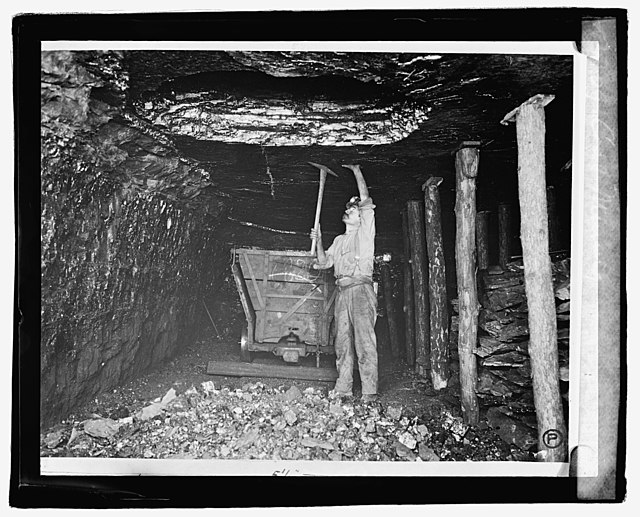
American Ending runs from 1908 to the mid-1920s, narrated by Yelena. Although she sounds older than she is to modern readers, Yelena is about eight-years-old when we meet her. She is her mother’s helper and competently does laundry, cooks, cleans, and takes care of her younger siblings while her father works in the coal mine that pollutes their town, Marianna, Pennsylvania. Yelena was born in this town but it often seems like her parents’ hometown of Suwalki (in either Russia or Poland, depending on boundary changes) has been partially transported to the United States. Many of the people in Marianna are Old Believers, Orthodox Russians who refused to accept changes to their religion in the seventeenth century.
Nothing much changes in Yelena’s life until her older sisters arrive (the family couldn’t immigrate together) and she grows old enough to get married. She itches against the restrictions of her family’s needs and her desire to learn more. She is an American; she’ll tell anyone who asks. Americans do things differently, she argues. But the threat of her father (who often resorts to yelling and physical punishment), her fear of the Orthodox priest of their community, and the possibility of the community’s scorn keep Yelena busy with her expected chores. When her older sisters get married and have children, Yelena is often sent to help with their chores, too. She is forced to stop going to school to do all of this work and she resents the hell out of it. That said, Yelena is surprisingly tender with the infants and toddlers she cares for and she takes pride in her ability to put delicious food on the table. She—and us readers—are rewarded for all of this when she meets a man who sees her. To Viktor, Yelena isn’t just a pair of hands or a woman to keep house. To him, she’s funny and feisty. To Yelena, Viktor is a kind, gentle, quirky man who loves her for who she is.
I realize that a lot of this sound bleak. A lot of what happens in this book is, frankly, bleak. There’s a mine explosion and the influenza pandemic and domestic violence. There’s a lot of hard, physical work. But American Endings is so richly alive with descriptions of mouth-watering Russian food, tender moments of genuine love, snarky humor, the warmth of community, and interesting questions about how much we owe our families versus how much we should be able to follow our own pursuits. Above all, this book shows us the power of hope in adversity. In spite of all the things that happen to Yelena, her family, and her friends, it’s hope that keeps her moving forward when it would be so easy to just give up.
I received a free copy of this book from the publisher via Edelweiss, for review consideration.